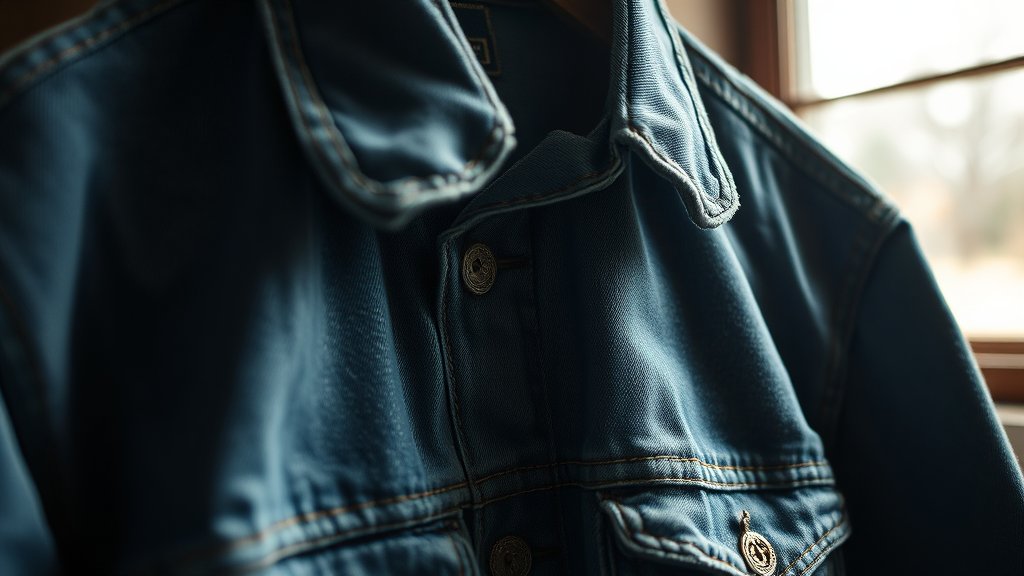
It’s fascinating how denim, originally designed as durable workwear for miners and laborers, has evolved into a quintessential element of modern fashion. This sturdy cotton twill denim fabric, often dyed with indigo, was once merely utilitarian. Over time, it found its way into mainstream fashion, morphing into an icon of style and versatility. It’s like denim has been on this epic journey, from rugged beginnings to being a canvas for self-expression.
Denim’s versatility is perhaps its greatest strength. From classic blue jeans to chic denim jackets and even handbags, denim fits seamlessly into almost every wardrobe. It’s a fabric that ages gracefully, becoming softer and more personalized with wear. Imagine the stories each pair of jeans could tell! This adaptability has cemented denim’s place in the fashion industry, making it a go-to choice for designers and consumers alike.
The 90s revival and celebrity influence
The 90s are back, and with them, a resurgence of love for all things denim. Remember those baggy jeans and oversized jackets? They’re making a comeback, thanks in part to celebrities and influencers who have embraced these nostalgic styles. It’s funny how what once seemed outdated suddenly becomes the height of fashion again. Fashion is cyclical like that—what goes around comes around.
Icons like Britney Spears, Justin Timberlake, and more recently, celebrities like Rihanna and Kendall Jenner have been spotted rocking denim-on-denim looks. The 90s revival has brought back the charm of distressed jeans, high-waisted cuts, and even the classic Canadian tuxedo (denim jacket paired with jeans). It’s almost as if we’re collectively rediscovering the comfort and cool factor that made denim so beloved in the first place.
Sustainable denim is shaping the future
In recent years, there’s been a growing awareness about sustainability in fashion, and denim is no exception. Traditional denim production is notorious for its water consumption and chemical use. However, innovative brands are stepping up to change this narrative. They’re exploring eco-friendly methods such as using organic cotton, natural dyes, and water-saving techniques. It’s a breath of fresh air to see the industry moving towards more sustainable practices.
Eco-friendly innovations
One of the most exciting developments in sustainable denim is the advent of recycled fabrics. By reusing old garments and textile waste, brands are creating new products with a lower environmental footprint. Additionally, some companies are embracing technologies like laser treatments and ozone washing to achieve that worn-in look without the hefty water usage. It’s remarkable how these innovations are not only preserving the essence of denim but also paving the way for a greener future.
How denim dominates global wholesale markets
The global appeal of denim cannot be overstated. From bustling markets in New York to street vendors in Mumbai, denim’s presence is ubiquitous. Fabric wholesale markets thrive on this fabric’s popularity, offering everything from raw materials to finished products in bulk. For businesses, investing in wholesale denim is a no-brainer because the demand is consistently high.
Interestingly, denim’s adaptability plays a crucial role here too. Wholesalers cater to diverse preferences by offering various washes, finishes, and styles. Whether it’s luxury designer pieces or budget-friendly options, there’s something for everyone in the world of denim wholesale. This wide range ensures that retailers can meet their customers’ needs without compromising on quality or style.
Small brands making big waves in denim
While established brands dominate much of the market, small independent labels are carving out their niche with unique takes on denim. These brands often emphasize craftsmanship and sustainability, appealing to consumers who value quality over quantity. It’s inspiring to see how these smaller players are pushing boundaries and redefining what denim can be.
Take for example brands that offer custom fits or use hand-dyeing techniques to create one-of-a-kind pieces. These approaches not only set them apart but also attract a loyal following of fashion enthusiasts looking for something special. In an industry often dominated by mass production, these small brands remind us of the artistry involved in making truly exceptional denim garments.